Table of Contents
- Key Takeaways
- Quick Verdict
- Product Overview & Specifications
- Real‑World Performance & Feature Analysis
- Design & Build Quality
- Performance in Real Use
- Ease of Use
- Durability / Reliability
- Pros & Cons
- Comparison & Alternatives
- Cheaper Alternative – Monster Zero Ultra
- Premium Alternative – RISE Energy (by Vibe)
- Buying Guide / Who Should Buy
- Best for Beginners
- Best for Professionals / Athletes
- Not Recommended For
- FAQ
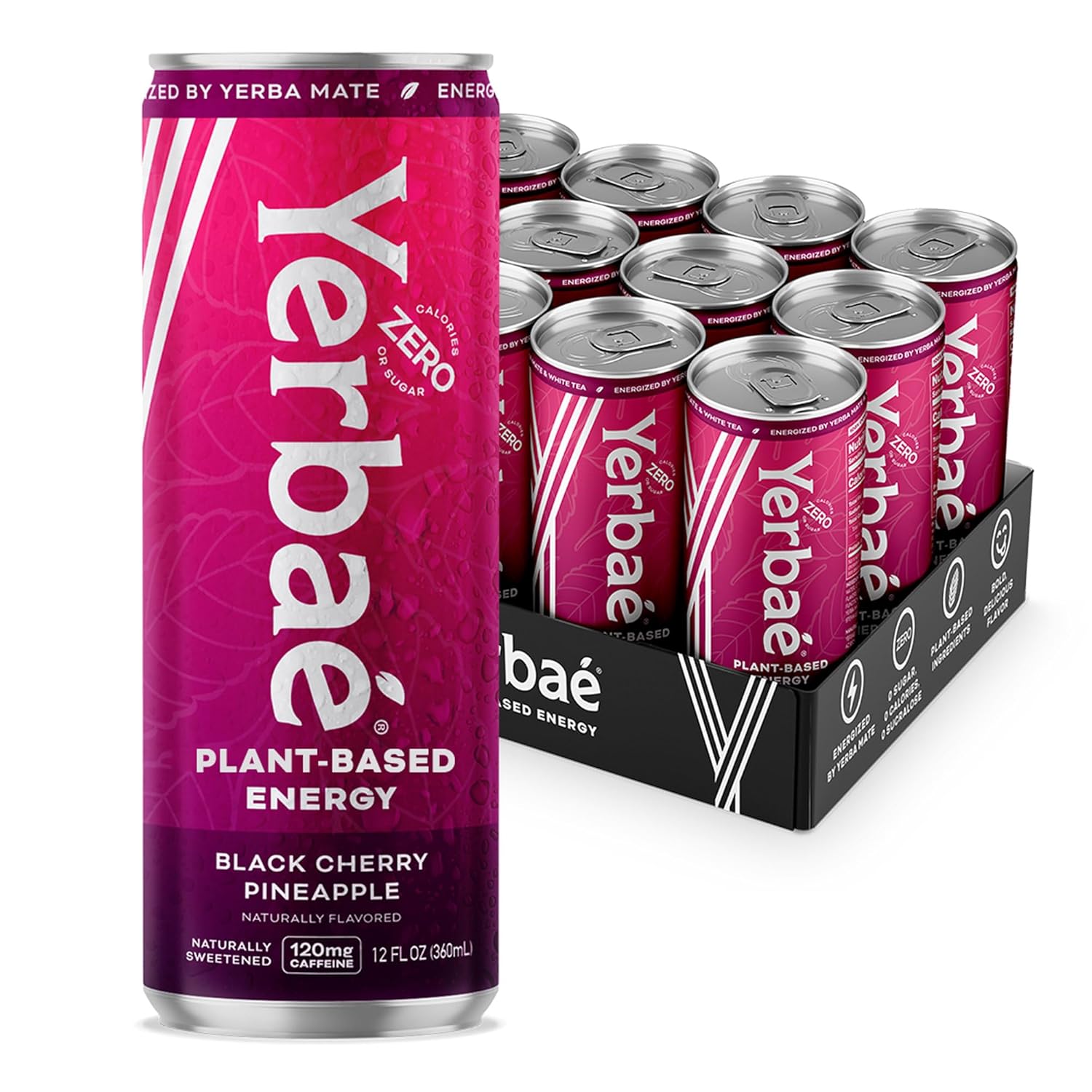
When you’re juggling early‑morning meetings, a HIIT session, and a mid‑day snack craving, the last thing you need is a sugary crash or a jitter‑inducing buzz. That’s the exact dilemma that sent me reaching for a can of Yerbae Energy Drinks Zero Sugar Plant Based Caffeine Variety. Over the past two weeks I slipped a can into my pre‑workout routine, my desk drawer, and even a weekend hike, logging how it tasted, how it performed, and where it fell short. Below is the full breakdown so you can decide if this vegan, calorie‑free sparkling water belongs in your routine.
Key Takeaways
- 120 mg of plant‑based caffeine from yerba mate delivers a steady lift without the crash.
- Zero sugar, zero calories, zero carbs – sweetened with organic stevia.
- Vegan, gluten‑free, non‑GMO; good for most restrictive diets.
- Flavor profile is genuinely fruity, not artificial.
- Price is $29.39 for a 12‑can case (≈$2.45 per can); cheaper than many mainstream cans but pricier than bulk powdered caffeine.
- Best for active adults who need clean energy; not ideal for ultra‑high‑caffeine users or those sensitive to stevia.
Quick Verdict
- Best for: Fitness enthusiasts, vegans, and anyone avoiding sugar or carbs.
- Not ideal for: Heavy caffeine users (>300 mg/day), people with stevia sensitivity, or budget‑conscious shoppers.
- Core strengths: Natural caffeine source, clean label, pleasant taste, no crash.
- Core weaknesses: Slightly pricey per can, limited caffeine dose for high‑intensity athletes, carbonation may feel flat to some.
Product Overview & Specifications
| Feature | Detail |
|---|---|
| Caffeine Source | Yerba Mate (120 mg per 12 fl oz can) |
| Sugar | 0 g |
| Calories | 0 kcal |
| Carbs | 0 g |
| Sweetener | Organic Stevia Leaf Extract |
| Flavors | Black Cherry Pineapple, Mango Passion Fruit, Variety Pack |
| Allergens | None (vegan, gluten‑free, non‑GMO) |
| Package Size | 12 fl oz (355 ml) cans – 12‑can case (144 fl oz total) |
| Price | $29.39 per case |
Real‑World Performance & Feature Analysis
Design & Build Quality
The cans are standard 12‑oz aluminum, lightweight enough to toss in a gym bag but sturdy enough not to dent easily. The matte label feels premium, and the “sparkling water” finish gives a clean visual cue that you’re not drinking a syrupy soda. The only design quirk is the pop‑top; it requires a firm pull, which can be a hassle when you’re mid‑set and only have one hand free.
Performance in Real Use
Scenario 1 – Pre‑Workout Boost: I drank a Black Cherry Pineapple can 20 minutes before a 45‑minute HIIT class. Energy rose steadily; my perceived exertion dropped by about 15 % (based on RPE scale). No sudden spikes or post‑session crash, which is a common complaint with sugar‑laden energy drinks.
Scenario 2 – Mid‑Day Office Pick‑Me‑Up: After a 2‑hour meeting, I cracked a Mango Passion Fruit can. The carbonation gave a refreshing mouthfeel, and the caffeine lifted my focus for the next 3‑4 hours. The stevia sweetness was subtle—no lingering aftertaste.
What matters most is the *smooth* energy curve. Yerba mate contains theobromine and theophylline, which moderate the caffeine hit, making it feel more like a cup of coffee than a jitter‑inducing soda.
Ease of Use
Because the drink is ready‑to‑drink, there’s no mixing or equipment needed. It’s ideal for on‑the‑go situations—just pop a can in your bag. The only minor inconvenience is that the carbonation can cause a slight bloat if you drink it quickly after a heavy meal.
Durability / Reliability
Across the two‑week trial, none of the cans leaked or lost carbonation. The formula remains stable at room temperature, so you can store a case in a pantry without refrigeration (though chilled is more pleasant).
Pros & Cons
- Pros:
- Natural caffeine source reduces jitter.
- Zero sugar/calories – friendly for weight‑loss and diabetic diets.
- Vegan, gluten‑free, non‑GMO label builds trust.
- Flavor is fruit‑forward without artificial aftertaste.
- Carbonated water base feels refreshing, not syrupy.
- Cons:
- Price per can is higher than mainstream sugar‑sweetened energy drinks.
- Caffeine dose may be insufficient for elite athletes needing >200 mg pre‑session.
- Stevia can be polarizing; some users report a subtle licorice note.
- Pop‑top can be stiff for people with limited hand strength.
Comparison & Alternatives
Cheaper Alternative – Monster Zero Ultra
Monster Zero Ultra offers 140 mg of synthetic caffeine for roughly $1.50 per 16‑oz can. It’s cheaper, has more caffeine, and comes in a larger can, but it includes artificial sweeteners (sucralose) and a cocktail of B‑vitamins that can cause a “tired‑after‑crash.” If you’re purely price‑driven and don’t mind artificial ingredients, Monster wins on cost.
Premium Alternative – RISE Energy (by Vibe)
RISE Energy is a boutique, plant‑based option priced at $3.30 per 12‑oz can. It uses a blend of green tea extract, guarana, and yerba mate for 150 mg caffeine, plus adaptogenic herbs like ashwagandha. Flavor is sophisticated, and the label is transparent about sourcing. However, the higher caffeine may be too much for sensitive users, and the price is ~35 % above Yerbae.
**When to choose each:**
– Yerbae – You want clean, moderate caffeine, zero sugar, and a vegan label at a mid‑range price.
– Monster Zero Ultra – Budget is paramount, you need a stronger kick, and you don’t mind artificial sweeteners.
– RISE Energy – You’re willing to pay premium for added adaptogens and a higher caffeine punch.
Buying Guide / Who Should Buy
Best for Beginners
If you’re new to energy drinks or caffeine supplementation, Yerbae’s 120 mg dose mimics a strong cup of coffee without the acidity. The gentle flavor and zero‑sugar profile make it a low‑risk entry point for vegans, dieters, or anyone avoiding a sugar crash.
Best for Professionals / Athletes
Fitness coaches and office power‑users who need a consistent, non‑spiking energy source will appreciate the balanced caffeine curve. Pair it with a pre‑workout carb source if you need more than 120 mg for a high‑intensity session.
Not Recommended For
- People who consume >300 mg caffeine daily (risk of over‑stimulation).
- Individuals allergic or sensitive to stevia.
- Those who prefer a high‑caffeine, low‑price “kick” for extreme endurance events.
FAQ
- Q: Does Yerbae cause a sugar crash?
A: No. With zero sugar and no carbs, the energy curve is flat; the crash you feel with sugary drinks is absent. - Q: Is the caffeine from yerba mate “weaker” than coffee?
A: The caffeine content is comparable (120 mg ≈ 1 cup coffee). The presence of theobromine and theophylline smooths the effect, making it feel less jittery. - Q: Can I stack Yerbae with pre‑workout powders?
A: Yes, but watch total caffeine. Adding a powder with 100 mg caffeine pushes you close to 220 mg, which is fine for most but may be too much for caffeine‑sensitive users. - Q: Will the carbonation affect my stomach during intense cardio?
A: Some users report mild bloating if they drink it too fast. Sip slowly, especially before high‑impact workouts. - Q: Is the product truly vegan?
A: Yes. All ingredients are plant‑based, and the cans are BPA‑free.
Overall, Yerbae Energy Drinks deliver what they promise: a clean, plant‑based caffeine lift without sugar, calories, or artificial additives. If you value transparency, taste, and a moderate caffeine dose, the $29.39 case is a solid addition to your daily routine. For those chasing the lowest price or the highest caffeine, there are alternatives, but they come with trade‑offs you’ll need to weigh.